Across Wisconsin and around the world, students are pursuing research, serving communities, exploring specialties and gaining hands-on clinical experience. From rural clinics and neuroscience labs to global health initiatives and specialty shadowing opportunities, these experiences are helping shape the next generation of Badger physicians.
Rotations in rural Wisconsin
For Kaela Groppel, summer looked very different from that of many of her classmates.
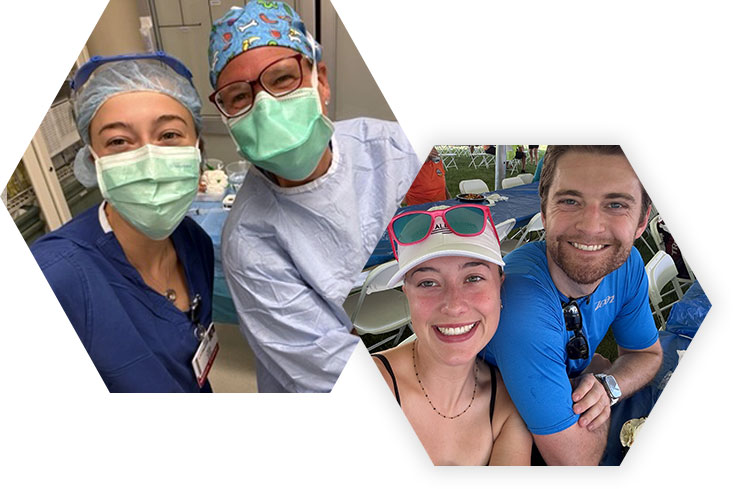 As a participant in the Wisconsin Academy of Rural Medicine Excellence in Rural Residencies (WARMeRR) program, Groppel spent her summer advancing through Phase 2 clinical training. Over 10 weeks, she completed rotations in family medicine in Sturgeon Bay, geriatrics in Two Rivers and general surgery in Madison.
“It has been the most rewarding experience,” she said. “I have been loving my time to dive into patient care and to learn from patients and staff alike.”
While balancing an accelerated curriculum, Groppel also found time to enjoy a Wisconsin summer, spending time with her partner, M3 Brenen Skalitzky, during his Green Bay clinical experiences and participating in SMPH’s weekly run club as she trains for a half Ironman.
Rare disease research in Boston, MA
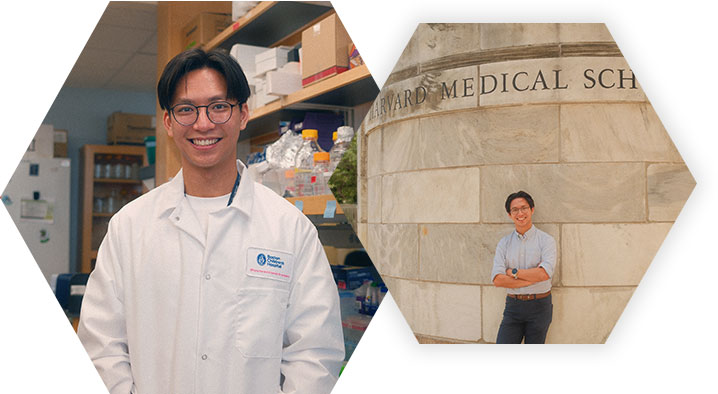
Norman Liu spent his summer immersed in biomedical research through the Harvard Catalyst Visiting Research Internship Program.
Working on CDKL5 Deficiency Disorder, a rare neurodevelopmental condition that causes severe epilepsy and developmental delays, Liu is using human stem cell-derived neurons to better understand how the disorder affects brain development and function.
The experience has further solidified his interest in pursuing a career in pediatric genetics or child neurology.
Outside the laboratory, Liu embraced life in Boston.
“It’s been exciting to be immersed in such a strong research environment,” he said. “I’ve enjoyed exploring the city, especially the historic neighborhoods, waterfront and all the different food spots around town.”
Service in Guatemala
David Kingston joined classmates, residents, pharmacy students and healthcare providers on a two-week service-learning trip to San Lucas Tolimán, Guatemala. Working alongside the organization Friends of San Lucas, the team traveled between communities to provide care through pop-up medical clinics, while learning about the culture, the Guatemalan healthcare system, and the realities of delivering care in resource-limited settings.
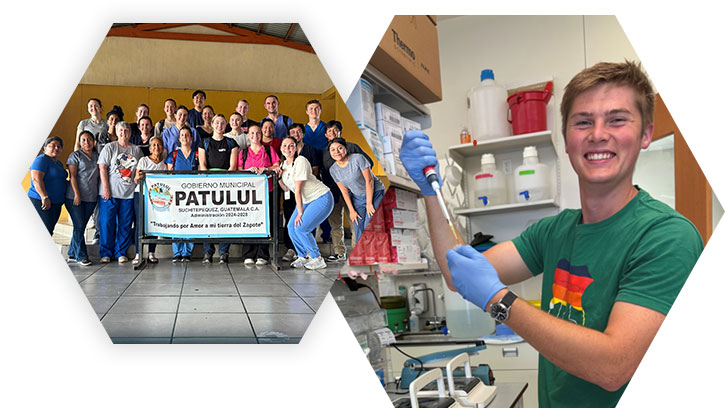
The experience included one unforgettable adventure: climbing a volcano during a weekend excursion.
Back in Madison, Kingston transitioned into the Shapiro Summer Research Program, joining the Alvarado Lab, which studies the cellular and molecular mechanisms that regulate cardiac function.
“I am grateful for the opportunity that both Dr. Alvarado and SMPH have provided me,” he said.
Before classes begin, Kingston will travel to Green Bay for a WARM Welcome, where Wisconsin Academy of Rural Medicine students are introduced to the communities and clinical sites that will serve as their training homes during Phases 2 and 3.
Urology shadowing in Madison, WI
Allison Davidson received a comprehensive introduction to the field of urology through the UW Summer Exploration, Enrichment and Development Scholars (UW-SEEDS) Program under the mentorship of Shannon Cannon, MD ’13.
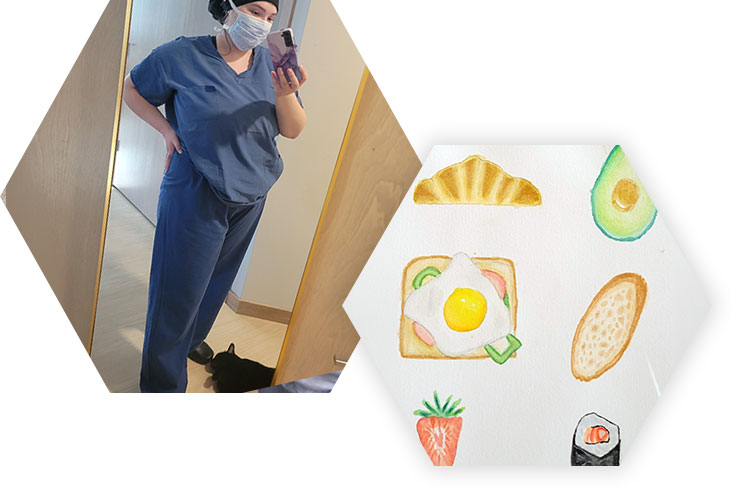
Over eight weeks, Davidson shadowed across a wide range of subspecialties, including pediatric urology, stone disease, genital reconstruction, oncology and urogynecology. Her experiences included time in clinics, operating rooms and inpatient settings alongside faculty, residents and medical students.
“The SEEDS program has allowed me to develop professionally and start preparing for a future career in urology,” she said. “I’ve had the pleasure of getting to meet and learn from several urologists and other important members of the team like residents, scrub techs, MAs and more.”
When not in the hospital, Davidson enjoyed watercolor painting, reading and spending time with her cat.
Stroke prevention in Oneida, WI
Monica Pilewskie spent her summer conducting community-engaged research through the Shapiro Summer Research Program in partnership with the Oneida Nation.
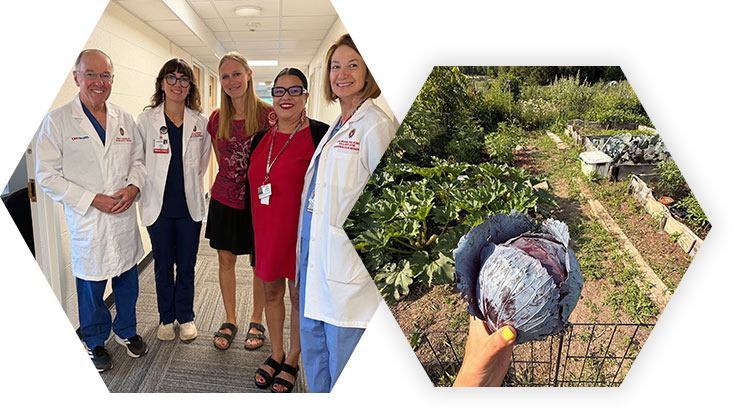 Working with the Department of Neurosurgery, Pilewskie pursued a project centering on reducing stroke risk through individualized health coaching for Oneida citizens.
She participated in wellness programming, worked alongside healthcare professionals and community members at the Oneida Farmers Market, and helped support participant visits as part of the study.
The project reflects one of the hallmarks of SMPH education: partnering with communities to improve health outcomes through research that is both scientifically rigorous and locally meaningful.
Pilewskie also spent time getting her hands dirty in Madison this summer.
“I am a co-leader of the Food is Medicine interest group, and our community garden is really flourishing!” she said.