Friends Remembered
November 12, 2022
• VOL 24 • NO 4

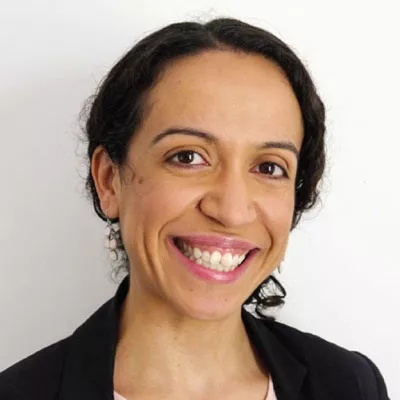
Nayeli A. Spahr, MD ’16, MPH ’16
I am the director of reproductive and child health at Project H.O.M.E., a non-profit organization in Philadelphia with the mission to break the cycle of homelessness and poverty. I work at federally qualified health care centers within Project H.O.M.E. The letters in H.O.M.E. stand for housing, opportunities in employment, medical care and education; these factors perfectly highlight the fundamental ingredients needed to attain mental, physical and emotional well-being.
In my role, I supervise perinatal and young pediatric care, as well as oversee the reproductive and family planning services offered at our sites. I love being able to use my full-spectrum training every day. I also am able to use skills I gained through my master of public health degree to build connections with other local leaders to improve the outcomes and disparities in maternal and infant mortality, and to advocate for improved care coordination across systems.
Before I started medical school, I was not sure what specialty I wanted to pursue. I had never heard of family medicine until I looked into the UW School of Medicine and Public Health, and as it turns out, this field is a perfect fit for me. In my practice, I cultivate a sense of community and partnership with the families I care for in the clinic and beyond it, with the help of an excellent team of nurses, behavioral health counselors, community health workers, peer specialists and social workers, to name a few.
I completed my residency at the Hospitals of the University of Pennsylvania in Philadelphia. Family medicine has allowed me the flexibility to make my practice my own and do what I love — build a community that helps take care of each other. What an honor it is to meet inspirational individuals each day and know they trust that I will take the best possible care of them and their families.
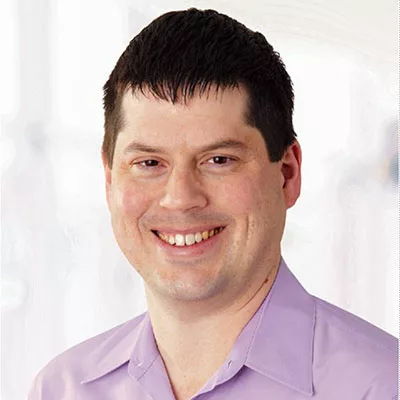
Branden J. Pfefferkorn, MD ’08, MPH ’09
Since I started in family medicine, I have had some amazing privileges. Walking with patients through life-altering and ultimately life-ending diagnoses. Celebrating big wins — complete changes in lifestyle, previous diagnoses falling away. Celebrating small wins — smoking less, blood sugar numbers closer to goal. And a handful of babies, now children, in the world whose parents gave them my first and/or middle name.
I completed the Swedish Medical Center Cherry Hill Family Medicine Residency, with my clinical site at the Seattle Indian Health Board. I then practiced for five years in Seattle, and for the past five years, I have practiced at HealthPartners in Minnesota. During my career, I have already gotten to experience a wide swath of medicine, various practice arrangements and changes in practice geography from the Pacific Northwest back to the Midwest, and more recently, changes in clinical leadership and a new subset of primary care in worksite health care.
What sticks with me through that time are the relationships made along the way and the immense privilege of hearing and sharing stories with patients and colleagues alike. Family medicine is an exceedingly broad discipline, but at its core, it is about relationships, particularly ongoing relationships.
When I started medical school, I wanted to become a family physician. I chose all my medical school experiences around that goal and was privileged to learn from and with some amazing mentors, including Byron Crouse, MD, Cynthia Haq, MD (PG ’87), Douglas Smith, MD ’82, and Sharon Younkin, PhD. I learned at a variety of sites within Wisconsin, including a dedicated block at Mile Bluff Medical Center in Mauston, as well as other domestic and international sites.
These experiences and mentorship have prepared me very well for my career in family medicine and given me the opportunity to adapt to the needs of the population I’m working with, while also referencing the broad scope of medicine in which I’ve participated.
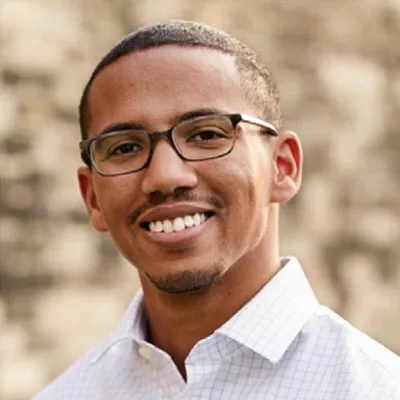
Demarco A. Bowen, MD ’18, MPH ’18
Following my graduation from the UW School of Medicine and Public Health, I completed a global child health residency at Baylor College of Medicine/ Texas Children’s Hospital. I am now completing a pediatric hospital medicine fellowship at University of California, San Diego/Rady Children’s Hospital. These experiences have taught me a great deal about quality improvement, research methodology and medical education for learners in the hospital setting.
Clinically, I take care of kids who have general pediatric illnesses such as bronchiolitis, asthma and acute gastroenteritis, but also many medically fragile children — such as those with gastrostomy and tracheostomy tubes, ventilators, etc. — who require admission for acute-on-chronic illnesses. As a hospitalist, I also take care of children who have as-yet undifferentiated diseases, such as Crohn’s, tuberculosis, or even cancers. As each patient’s and family’s initial primary doctor in the hospital, it’s a privilege to walk with them in the first steps of their diagnostic journey.
One of the best things about pediatrics is the ability to connect with families and work together with caregivers, advocating for the best outcomes for the child. Even in the hospital wards, public health is intrinsic to the work of pediatrics. Preventing illnesses through counseling of caregivers, promoting safe environments, and advocating for better policies for kids is all part of the gig.
If you’re interested in public health and advocacy as a physician, I highly recommend pediatrics. The field affords so many opportunities in your career. Every day, you can advocate for your patients, whether to the parents at the bedside or to legislators in the halls of Congress. In clinic, you can counsel about safety measures and, on behalf of your hospital, work on safety initiatives. The list goes on. Add the feeling of helping kids get through acute illnesses, and pediatrics just can’t be beat.
