Feature Story
January 17, 2024
• VOL 25 • NO 4

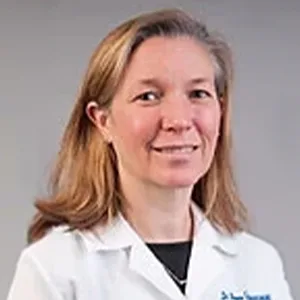
Through a fellowship with Roger Mann, MD, who wrote the textbooks I used, I received subspecialty training in foot and ankle surgery. Now, I am an attending orthopedic surgeon at Bassett Healthcare in Cooperstown, New York. I perform total ankle replacement; anterior and posterior total hip replacement; total knee replacement; fracture surgery; and ankle, knee, and shoulder arthroscopy.
Sometimes orthopedic surgery cases are simple, such as the need to acutely clean gravel from an ankle joint of a patient who was in a motorcycle accident. Other cases take more planning, such as the care needed by an otherwise healthy 40-year-old male with avascular necrosis, pain, and deformity of the bilateral tali due to steroid treatment for Crohn’s disease as a teenager. Instead of doing bilateral pantalar fusions, I contracted a company to design and 3D-print a custom talus bone that will articulate with a total ankle replacement.
During my first year of medical school, the cadaver in my anatomy lab had total knee replacements. They appeared state of the art, and I found them interesting. I started a research project in orthopedic spine surgery, and I enjoyed all aspects of my rotations in orthopedic surgery.
I did the first year of my residency at Wayne State University, Detroit, Michigan (Detroit Receiving, Sinai Grace, and Providence Hospitals), and at the beginning of my second year, I moved to Stanford University Hospital and Clinics in California. I am a member of the American Association of Orthopedic Surgery, the American Orthopaedic Foot and Ankle Society, the Ruth Jackson Society, and the Medical Society of the State of New York.
Fixing broken bones, realigning joints, and cutting out arthritis are all very satisfying daily activities. Patients with chronic pain are best treated by an interdisciplinary care team. Many of our patients recover and return to enjoying their hobbies, work, and time with loved ones.
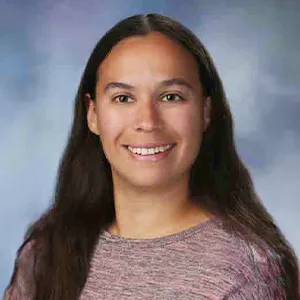
I am practicing orthopedic trauma at a Level 1 trauma center, the Billings Clinic, in Montana. Here, I see all levels of orthopedic trauma, from simple ankle fractures to the most complex pelvis and acetabular fracture cases.
My most memorable patient is a middle-aged gentleman who was hit by a car. He had five major injuries all involving his joints. I performed a complex surgery on him almost every day for a week. In my practice, the best feeling I have had so far was the first time he walked into my clinic and gave me a big hug after I had been wondering whether he would ever be able to walk again.
I knew I wanted to go into orthopedics in medical school, but I was not sure I would subspecialize in trauma orthopedics until my third year of residency at UW Health in Madison. While I enjoyed my training in every specialty, the trauma cases were always the most exciting and fulfilling to me. In addition to liking the surgical aspects of trauma care, I enjoyed the ability to connect with patients and their families during difficult times in their lives.
I am board certified by the American Board of Orthopaedic Surgery and am active as a fellow of the American Academy of Orthopaedic Surgeons, a clinical member of the Orthopaedic Trauma Association, and a member of AO Trauma and the Montana Orthopedic Society.
Orthopedics has many different subspecialties. I like the excitement and variety of orthopedic trauma, whereas others might like the ability to perfect a case that has a lot of repetition. Like most other surgical fields, training is grueling, but with a strong interest and dedication, it is also very rewarding.
The best piece of advice I could give to those interested in orthopedics is to find a mentor who can help you navigate through the inevitable ups and downs of the training process.
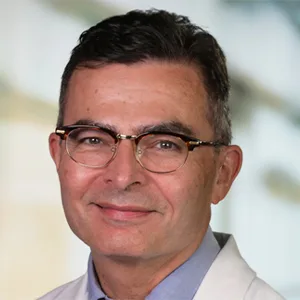
Currently, I practice at SSM Health – St. Mary’s Madison, with a subspecialty elective practice in foot and ankle orthopedics.
My father was a general and vascular surgeon, and when I entered medical school, I had an interest in surgery. During a third-year rotation in orthopedics, I developed an interest in this field. I completed a surgical internship at Gundersen Health System in La Crosse, Wisconsin, followed by an orthopedic residency at UW Health in Madison and a foot and ankle orthopedic fellowship at the University of Maryland Medical Center in Baltimore.
I am a member of the American Academy of Orthopedic Surgeons and the American Orthopedic Foot and Ankle Society.
Patients with diabetes are a group that really stands out as memorable. Their orthopedic foot and ankle problems are usually not routine and can be threatening to their limbs. Successful care can often be challenging. Patients are usually aware of the difficulty of their orthopedic problems.
I have found orthopedics to be consistently engaging and always changing. Though it is considered a surgical specialty, much of the care provided is non-operative, and this gives physicians more ways to help patients. The wide variety among the subspecialties of orthopedics provides opportunities for physicians to find their strengths.