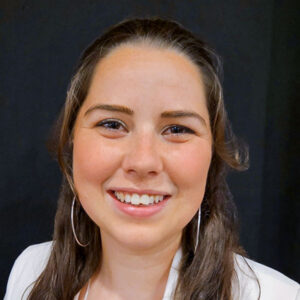
I am a second-year nephrology fellow at the University of Chicago. There, in July 2027, I will begin a one-year transplant nephrology fellowship.
We care for patients from south-side Chicago communities and learn how to manage the health of those with a range of kidney pathology, from end-stage renal disease to newly transplanted organs.
In one memorable case, I cared for a patient with a rapidly progressive, rare kidney condition: crescentic IgA nephropathy with nephrotic-range proteinuria. The patient had hematuria that was attributed to kidney stones. After a biopsy, we quickly started steroids and cyclophosphamide, and the patient’s renal function and proteinuria improved quickly.
In medical school, I always loved nephrology but also considered hospital medicine. I completed my internal medicine residency at the University of Minnesota in Minneapolis and realized that my favorite part of medicine was managing electrolyte disorders and kidney pathology.
This feels like an exciting time in this field because there are many new, innovative treatments that prevent the progression of chronic kidney disease and target immunologic pathways.
Treating Chronic Disease
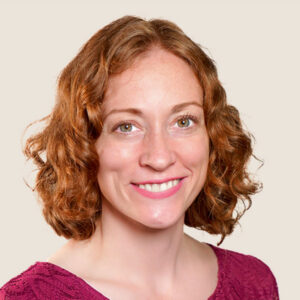
Amber Hertz-Tang, MD ’14, MPH ’14 (PG ’17, ’20)
Amber Hertz-Tang
As a nephrologist at Northwest Renal Clinics — a private practice in Portland, Oregon — I care for patients with chronic kidney diseases, including those who need transplants. I also oversee in-home and in-center dialysis, and I consult at a cardiac hospital. I regularly discuss patients’ goals, including end-of-life care. This is emotional but purposeful.
I most enjoy taking someone off dialysis when I can help them get a kidney transplant or because their kidneys regain adequate function. I hold close a major success story: A very sick patient had been on dialysis and gone through multiple failed treatment plans, but we found one that worked. He is in remission with normal kidney function.
During medical school, I had an elective rotation with Laura Maursetter, MD (PG ’11), whose passion for nephrology spoke to me. I earned my medical degree and completed my residency and fellowship at the great University of Wisconsin School of Medicine and Public Health and UW Hospitals and Clinics.
I love this specialty because I am always learning, and my days have so much variety. This is an exciting time with many advancements. The future could hold wearable kidneys and other game-changers during my career!
Working Across Settings
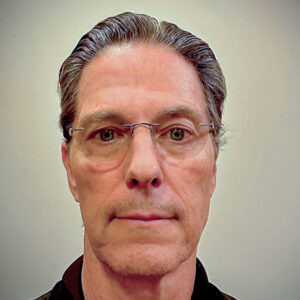
Thomas Smith, MD ’86
Thomas Smith
In 2025, I retired from my nephrology practice. Since 1992, I was in a private practice that covered St. Vincent, Bellin, and St. Mary’s hospitals in Green Bay, Wisconsin.
I provided care for patients with renal failure and those with end-stage kidney disease, difficult-to-control hypertension, and other conditions. I liked working in a variety of inpatient, outpatient, and dialysis clinic settings. While some patients had acute conditions, I could help others remain stable for years.
One patient that I remember fondly was a man with severe hypertension, morbid obesity, and early-onset, Type 2 diabetes. I always advised patients like this to lose weight and explained in the kindest way how to do that. This was one of the only patients whom I influenced enough. When he lost his excessive weight, his blood pressure came down and his diabetes went away.
I completed an internal medicine residency at Mount Sinai Hospital and Hennepin County Medical Center in Minneapolis. Toward the end of my residency, just after a nephrology rotation, I was offered a nephrology fellowship. I consider nephrology to be a highly gratifying specialty.